Ever found yourself standing in a store aisle, staring at identical-looking products from household names, wondering if there's something better out there? You're not alone. The marketing machines behind big brands spend billions convincing us that their products are superior, but what if I told you some of the best-performing items come from companies you've probably never heard of? After testing dozens of products across categories, I discovered that niche brands often deliver superior quality, innovation, and value that mainstream alternatives simply can't match.
Niche manufacturers operate with a distinct advantage: they're not trying to be everything to everyone. While big brands focus on mass appeal and shelf presence, smaller companies can dedicate their entire operation to perfecting one specific product category. I recently spoke with the founder of a small skincare company who explained how they reformulated their face serum seventeen times before settling on the final version. That level of attention to detail simply isn't feasible for corporations answering to shareholders and quarterly earnings reports. These passionate creators aren't just selling products—they're solving specific problems for specific people, and that focus shows in the final result.
The performance gap becomes most apparent in specialized categories. Take kitchen knives, for instance. While celebrity chefs might endorse expensive mainstream brands, professional cooks often gravitate toward Japanese artisans who've been perfecting their craft for generations. I tested a $120 niche chef's knife against a $300 big-brand equivalent and found the former held its edge longer, felt better balanced, and required less maintenance. Similarly, in the world of audio equipment, audiophiles consistently prefer boutique headphone manufacturers over mainstream electronics giants. The difference isn't subtle—it's the gap between hearing music and experiencing it.
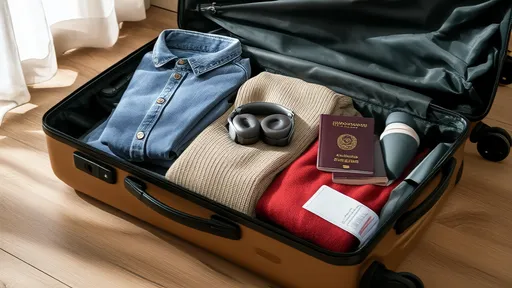
Small brands move faster when it comes to implementing new technologies and responding to customer feedback. While developing their now-famous backpack, a niche travel gear company went through twelve prototype iterations based on direct user testing. Compare this to major luggage brands that might update their designs once every three years. This agility allows niche companies to solve problems that larger corporations haven't even identified yet. I've encountered cleaning products that tackle specific stains mainstream brands ignore, tech accessories that address compatibility issues bigger companies overlook, and food products that cater to dietary needs the mass market hasn't properly served.
Here's where niche products frequently outperform: materials and construction. Without the pressure to cut costs for mass distribution, smaller brands can use higher-quality components. A leather goods artisan might source full-grain hides from a specific tannery, while their mass-market competitor uses corrected grain leather with plastic coatings. The difference becomes apparent within months of use—one develops a beautiful patina while the other starts peeling at the edges. This pattern repeats across categories, from clothing to cookware to cosmetics. The initial price might be similar, but the longevity and performance make niche products the smarter long-term investment.
Discovering exceptional niche products requires slightly different shopping strategies. Instead of heading to big-box retailers, explore specialty stores in your area or curated online marketplaces. Read reviews from enthusiasts rather than general consumers—their detailed comparisons often highlight nuances casual users might miss. When I'm researching a new category, I look for products with smaller but highly dedicated fan bases. These communities tend to be brutally honest about both strengths and weaknesses, giving you a more complete picture than the filtered reviews on major retail sites.
This isn't to say you should completely abandon established brands. For certain products where standardization matters—think batteries, basic pharmaceuticals, or safety equipment—the consistency and testing protocols of large manufacturers provide important reassurances. The key is understanding which categories benefit from specialization and which require standardization. I still buy mainstream pain relievers because their formulation consistency matters more than minor variations, but I'll choose a small-batch hot sauce over mass-produced alternatives every time for the complexity and character the smaller producer delivers.
The biggest barrier to discovering these superior products isn't availability—it's our own shopping habits. We gravitate toward familiar names because they feel safer, and marketing has conditioned us to equate ubiquity with quality. Breaking this pattern requires conscious effort. Start with one product category where performance matters most to you, whether that's coffee brewing equipment, workout gear, or office supplies. Research the specialists in that space, read beyond the first page of search results, and give one small brand a try. The satisfaction of discovering something truly excellent that most people haven't found yet becomes addictive in the best way possible.
Approaching purchases with this discovery mindset transforms shopping from a chore into an adventure. Instead of defaulting to the usual suspects, you'll develop an eye for quality that transcends branding and marketing. You'll start noticing details in construction, ingredient lists, and design philosophy that separate exceptional products from mediocre ones. This awareness pays dividends across your entire life—from the clothes you wear to the food you eat to the tools you use daily. The initial research might take slightly longer, but the long-term satisfaction and performance gains make every minute worthwhile.
Next time you're considering a purchase, pause before reaching for the familiar option. Ask yourself whether this is a product that would benefit from specialized attention rather than mass production. The difference might surprise you—I know it continues to surprise me, even after years of seeking out these hidden gems. Your perfect product is probably out there waiting, made by someone passionate about their craft rather than a committee focused on margins. Happy hunting!

By William Miller/Nov 13, 2025

By Christopher Harris/Nov 13, 2025
By Sarah Davis/Nov 13, 2025
By Emily Johnson/Nov 13, 2025

By Benjamin Evans/Nov 13, 2025
By Emma Thompson/Nov 13, 2025

By Victoria Gonzalez/Nov 13, 2025

By Daniel Scott/Nov 13, 2025
By Laura Wilson/Nov 13, 2025

By Sophia Lewis/Nov 13, 2025
By Sophia Lewis/Nov 13, 2025

By Noah Bell/Nov 13, 2025

By Lily Simpson/Nov 13, 2025

By Michael Brown/Nov 13, 2025
By Samuel Cooper/Nov 13, 2025

By Elizabeth Taylor/Nov 13, 2025

By Sophia Lewis/Nov 13, 2025
By Rebecca Stewart/Nov 13, 2025

By Victoria Gonzalez/Nov 13, 2025

By Lily Simpson/Nov 13, 2025
