You know that feeling when you're staring at your computer screen, trying to focus, but your neck is stiff, your chair is uncomfortable, and you can't find a pen that actually works? I've been there. So many of us invest in fancy software and expensive gadgets, completely overlooking the simple, affordable office tools that can dramatically improve our daily work life. The truth is, you don't need a massive budget to create a workspace that fosters focus and efficiency. By the end of this read, you'll discover a handful of surprisingly cheap finds that can transform your productivity, reduce physical strain, and make your workday infinitely more pleasant.
Let's start with the unsung hero of any desk setup: the humble monitor stand. Slouching over a laptop for hours is a surefire way to end the day with a sore neck and shoulders. A simple, adjustable monitor riser elevates your screen to eye level, promoting better posture instantly. I picked up a basic, sturdy model for under twenty dollars, and the difference was immediate. No more hunching. The key is to ensure the top of your screen is at or slightly below eye level. Many people make the mistake of getting a stand that's too high or too low, which can be just as bad. Measure your seated eye level before you buy. This small change reduces physical fatigue, allowing you to concentrate for longer periods without the nagging discomfort.
Beyond screen positioning, let's talk about the tool you physically hold all day: your mouse. Wrist pain from an poorly designed mouse is a common productivity killer. An ergonomic vertical mouse might look a little strange at first, but it keeps your forearm in a more natural "handshake" position, drastically reducing strain on your wrist. I was skeptical until I tried one; after a week, the everyday ache in my right wrist was gone. They are not expensive—many highly-rated models are available for around thirty dollars. The transition can feel awkward for a day or two, but stick with it. Your future self, free from repetitive strain discomfort, will thank you. It’s a small investment for long-term comfort.
Now, consider the chaos of cables. A tangled mess under your desk isn't just an eyesore; it's a frustration when you need to unplug something quickly. A simple cable management kit, which usually includes Velcro straps and adhesive clips, can bring order from the chaos for less than the cost of a coffee. Wrangle those cords, label them if you need to, and suddenly your workspace feels calmer and more controlled. This isn't just about aesthetics; a tidy space reduces mental clutter. When your physical environment is organized, it's easier for your mind to focus on the task at hand instead of being subconsciously distracted by the mess.
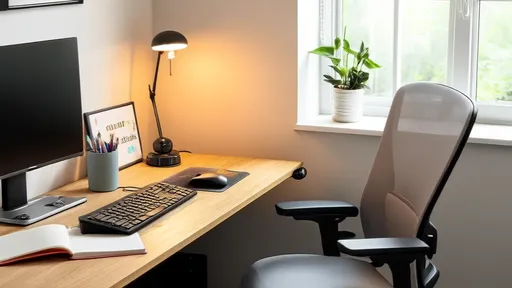
Good lighting is another game-changer that most home offices get wrong. Harsh overhead lighting can cause eye strain and headaches, while a dim room makes you sleepy. The solution isn't an expensive designer lamp. A quality task lamp with adjustable brightness and a neutral white light can completely change your desk's ambiance. Position it to illuminate your work surface without creating a glare on your monitor. I found a fantastic LED one for twenty-five dollars that has three brightness settings. It made reading documents and typing so much easier on my eyes, especially during late-night work sessions. Proper lighting reduces fatigue and helps maintain your energy levels throughout the day.
We often overlook the power of analog tools in our digital world. A large, physical whiteboard or a giant sticky note pad mounted on the wall near your desk is a powerhouse for productivity. Use it for brainstorming, mapping out projects, or listing your daily top-three priorities. The physical act of writing can help cement ideas in your memory, and having your key goals visually staring back at you prevents important tasks from slipping through the cracks. It's a constant, gentle reminder of what needs to be done, pulling you back from the distraction of endless browser tabs. This visual organization system is incredibly effective and costs very little to implement.
Finally, let's address the chair itself. You don't necessarily need a thousand-dollar ergonomic throne. Often, the issue isn't the chair but the support. A simple lumbar support cushion can make a world of difference for a standard office chair. It helps maintain the natural curve of your lower back, preventing that all-too-common slouch that leads to back pain. I added one to my basic desk chair, and it extended my comfortable sitting time by hours. Pair it with a footrest if your feet don't comfortably rest flat on the floor. This promotes better circulation and posture. It’s about working smarter with what you have, making small, supportive adjustments that have a big cumulative effect on your physical well-being and, by extension, your output.
Creating a productive workspace is as much about mindset as it is about gear. It’s the feeling of control and comfort that these small, affordable items provide. When your body isn't fighting discomfort, your mind is free to dive deep into creative or analytical work. The ritual of organizing your cables, adjusting your lamp, and glancing at your whiteboard goals creates a rhythm of intentionality. Your desk stops being just a place where work happens and becomes a curated environment designed to support your success and well-being. This psychological shift is profound. You feel more professional, more in command, and more capable of tackling your daily challenges.
Transforming your workday doesn't require a grand, expensive overhaul. It's about identifying the small, persistent friction points—the sore wrist, the cluttered cables, the aching back—and implementing simple, cheap solutions. Start with just one of these finds. Maybe it's the monitor stand or the cable management kit. See how that one change makes you feel. These wins build momentum, creating a workspace that not only boosts your productivity but also makes the hours you spend there more enjoyable and sustainable. Your most productive self is waiting, and it might just be unlocked by a twenty-dollar gadget.
By William Miller/Nov 13, 2025

By Christopher Harris/Nov 13, 2025

By Sarah Davis/Nov 13, 2025

By Emily Johnson/Nov 13, 2025
By Benjamin Evans/Nov 13, 2025
By Emma Thompson/Nov 13, 2025

By Victoria Gonzalez/Nov 13, 2025
By Daniel Scott/Nov 13, 2025
By Laura Wilson/Nov 13, 2025
By Sophia Lewis/Nov 13, 2025
By Sophia Lewis/Nov 13, 2025

By Noah Bell/Nov 13, 2025

By Lily Simpson/Nov 13, 2025
By Michael Brown/Nov 13, 2025

By Samuel Cooper/Nov 13, 2025

By Elizabeth Taylor/Nov 13, 2025

By Sophia Lewis/Nov 13, 2025

By Rebecca Stewart/Nov 13, 2025
By Victoria Gonzalez/Nov 13, 2025

By Lily Simpson/Nov 13, 2025
