The Hype vs. Reality Problem.Let's be honest—how many times have you bought a trendy gadget, only to find it collecting dust in a drawer two weeks later? We've all been there. The market is flooded with flashy devices promising to revolutionize your life, but most deliver little beyond initial novelty. From smart water bottles that nag you to drink to overly complex home assistants that complicate simple tasks, it's easy to waste hundreds on things you simply don't need. The frustration isn't just about money; it's about that lingering disappointment when another "must-have" item fails to integrate into your daily routine. This guide cuts through the noise to spotlight tech that genuinely earns its keep—tools that solve real problems without creating new ones.
Truly valuable tech tends to share a few key traits. First, it addresses a specific, recurring pain point rather than inventing a problem you never had. Think automatic pet feeders for busy owners or a simple phone stand for hands-free video calls—not a Bluetooth-enabled fork. Second, it seamlessly integrates into existing habits. The best gadgets feel like natural extensions of your life, not demanding constant attention or a steep learning curve. Durability and battery life matter immensely too; a device that needs charging three times a day or breaks after minor use isn't solving anything. Lastly, consider the "set-it-and-forget-it" factor. If you can incorporate it once and enjoy ongoing benefits with minimal upkeep, you've likely found a winner.
Smart kitchen gadgets are notorious for ending up in storage, but a few standouts defy the trend. Instant Pots, for example, remain wildly popular because they genuinely simplify cooking—replacing multiple appliances with one reliable pot. Similarly, a quality air fryer isn't just a fad; it encourages healthier eating by making crispy food with far less oil, and its quick preheat time means you'll use it for rushed weeknight dinners. Another unsung hero? A precise digital meat thermometer. No more guessing if chicken is cooked through—this $15 tool prevents foodborne illness and overcooked meals. I've had mine for five years, and it's still the most-reached-for item in my drawer. Avoid single-use units like avocado slicers; opt for multi-functional tools that tackle various tasks.
In the age of remote work, productivity gadgets can be lifesavers—or major distractions. A secondary portable monitor, for instance, genuinely boosts efficiency for anyone juggling multiple screens. Unlike complex smart notebooks that require special paper, a simple, well-designed laptop stand that improves ergonomics will see daily use. Noise-canceling headphones are another no-brainer; they create focus in noisy environments without gimmicky features. I tested numerous "smart pens" that record audio while you write, but found them finicky. Instead, a reliable wireless keyboard and mouse combo reduced my wrist strain significantly. The key is to identify your actual workflow bottlenecks before buying—don't let marketing convince you that you need features you'll never activate.
Fitness trackers often start strong then fade, but the ones that last focus on intuitive health insights rather than overwhelming data. A basic fitness watch that tracks sleep patterns, heart rate, and steps can reveal meaningful trends over time, especially if it has a comfortable, all-day wear design. Smart scales that measure body composition (like muscle mass and water percentage) provide more useful data than weight alone, helping you understand overall health shifts. However, avoid highly specialized gadgets like posture correctors that beep constantly—they become annoying fast. One client of mine swore by her sunrise alarm clock; it gently wakes her with increasing light, making mornings less jarring. That's a small change with a big impact on daily well-being.
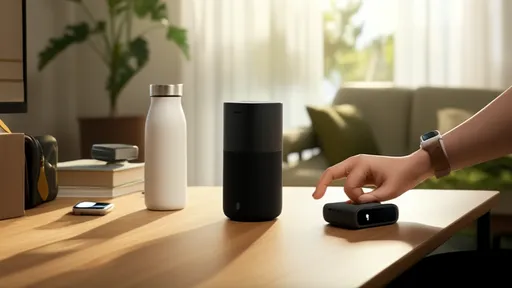
Smart home devices should reduce effort, not add technological headaches. Smart thermostats like the Nest Learning Thermostat actually learn your schedule and adjust temperatures automatically, cutting energy bills without daily input. Smart plugs are another winner—turn any lamp into a voice-controlled light for under $20. But beware of over-complicating your space. Do you really need a smart fridge that tells you the weather? Probably not. Focus on devices that offer clear convenience: robot vacuums that clean on a set schedule, or smart locks that eliminate key anxiety. I installed smart bulbs in my living room and never looked back; saying "goodnight" to turn off all lights feels like magic, but the real value is the consistency—no more stumbling in the dark.
Entertainment tech is a mixed bag, but some items deliver years of enjoyment. Streaming sticks (like Roku or Amazon Fire Stick) transform any TV into a smart hub for a minimal investment, and their simple remotes mean even non-techies can navigate them. Quality Bluetooth speakers from trusted brands provide reliable, great-sounding music for gatherings without connectivity drops. However, avoid VR headsets unless you're a dedicated gamer—they often become expensive novelties. A solid pair of true wireless earbuds, though, is worth every penny for commute workouts or focused work sessions. My first-gen pair still holds a charge for hours, and losing the cord tangles genuinely improved my daily routine. Prioritize devices that enhance content you already enjoy rather than requiring you to adopt entirely new habits.
Beyond specific recommendations, the real game-changer is adjusting your mindset around tech purchases. We're conditioned to seek quick fixes through new gadgets, but lasting satisfaction comes from tools that align with your actual lifestyle. Ask yourself: "Will I use this at least three times a week?" and "Does it replace something broken or redundant?" This shifts focus from fleeting excitement to long-term utility. Embracing a "less but better" philosophy reduces clutter, saves money, and ironically, makes you appreciate the tech you do own. The joy of a gadget that works flawlessly day after day far outweighs the temporary thrill of unboxing the latest trend.
Navigating the tech landscape doesn't require avoiding innovation—it's about smart selectivity. By focusing on devices that solve genuine problems, integrate seamlessly, and require minimal maintenance, you'll build a collection of gadgets that feel indispensable rather than wasteful. Start with one category that matters most to you—whether it's kitchen efficiency, home security, or personal health—and apply these principles before your next purchase. Your wallet and your sanity will thank you. For more hands-on reviews and time-saving recommendations, follow along as we continue separating the gems from the junk.

By William Miller/Nov 13, 2025

By Christopher Harris/Nov 13, 2025

By Sarah Davis/Nov 13, 2025

By Emily Johnson/Nov 13, 2025

By Benjamin Evans/Nov 13, 2025

By Emma Thompson/Nov 13, 2025

By Victoria Gonzalez/Nov 13, 2025

By Daniel Scott/Nov 13, 2025

By Laura Wilson/Nov 13, 2025

By Sophia Lewis/Nov 13, 2025
By Sophia Lewis/Nov 13, 2025

By Noah Bell/Nov 13, 2025

By Lily Simpson/Nov 13, 2025

By Michael Brown/Nov 13, 2025

By Samuel Cooper/Nov 13, 2025

By Elizabeth Taylor/Nov 13, 2025

By Sophia Lewis/Nov 13, 2025
By Rebecca Stewart/Nov 13, 2025

By Victoria Gonzalez/Nov 13, 2025

By Lily Simpson/Nov 13, 2025
