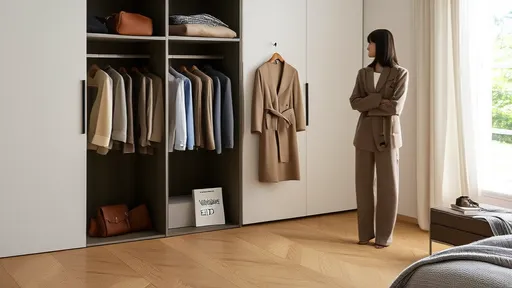
You know that feeling when you open your closet and it's overflowing with clothes, yet you have nothing to wear? I've been there. After years of buying cheap, trendy pieces that fell apart after a few washes, I reached a breaking point. The constant cycle of purchasing, wearing briefly, and discarding wasn't just draining my wallet; it felt ethically and environmentally exhausting. That's when I made a conscious decision to step away from fast fashion for good.
Fast fashion's business model is built on speed and disposability. Brands churn out new collections weekly, encouraging us to keep up with fleeting trends. But this comes at a hidden cost. The pressure to produce clothing so quickly and cheaply often leads to questionable labor practices and a staggering environmental footprint. The fashion industry is responsible for about 10% of global carbon emissions and is a major contributor to water pollution. When you buy a $5 t-shirt, someone, somewhere, is paying the real price.
Beyond the ethical concerns, the quality is simply not there. I can't count the number of times a seam ripped on the first wear or colors faded into a sad, washed-out version of their former selves after a single machine cycle. This "throwaway" culture means we're constantly replacing items, which ironically costs more over time. Investing in durable pieces might have a higher upfront cost, but the cost-per-wear becomes incredibly low. A well-made $150 jacket worn 100 times costs $1.50 per use, while a $30 jacket that falls apart after 10 wears costs $3 per use. The math speaks for itself.
So, what does a durable wardrobe actually look like? It starts with the fabric. Natural fibers like organic cotton, linen, wool, and silk are champions of longevity. They breathe better, feel more comfortable against the skin, and can last for decades with proper care. Tencel lyocell is another fantastic semi-synthetic option made from sustainably sourced wood pulp; it's incredibly soft, resistant to wrinkles, and has a low environmental impact. When you're shopping, turn the garment inside out and look at the label. A higher percentage of these natural fibers is a very good sign.
Construction is the next thing to scrutinize. Don't just look at the design—examine how it's put together. Are the seams straight and tightly stitched? Give them a gentle pull. Are there loose threads? Check the buttons and zippers. Are they securely attached? A well-made pair of denim jeans, for instance, will have bar tacks—those small, dense stitches—at points of strain like the pockets and the crotch. This reinforcement is a telltale sign of a garment built to handle real life.
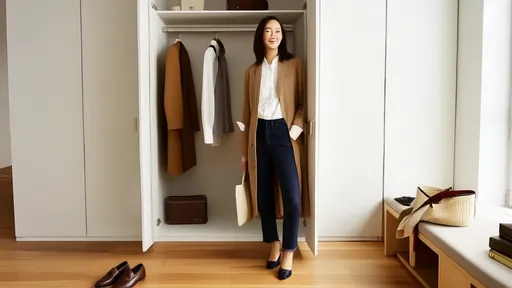
One of my first and most rewarding durable buys was a classic trench coat from a heritage brand. It felt like a splurge at the time, but that was seven years ago. I've worn it through spring showers, chilly autumn evenings, and as a smart layer for work trips. It still looks as sharp as the day I bought it. This coat taught me that timeless style always wins over temporary trends. Instead of buying a new "it" jacket every season, I have one reliable piece that always makes me feel put-together.
Another game-changer has been my collection of merino wool base layers. This isn't the itchy wool of Christmas sweaters past. Modern merino is fine, soft, and miraculously odor-resistant. I can wear a merino wool t-shirt for multiple days on a hiking trip or during a busy work week without it holding onto smells. It regulates temperature, keeping you warm in the cold and cool when it's warm. This performance and durability mean I need to own fewer items, which simplifies my life and reduces my consumption overall.
Footwear is another area where quality pays dividends. I swapped out cheap, synthetic boots that disintegrated after one winter for a pair of full-grain leather boots that can be resoled. The initial investment was significant, but three winters in, they've molded perfectly to my feet, look better with age, and will likely last me another decade with occasional care. Taking them to a cobbler for a new heel or sole feels deeply satisfying—it's the antithesis of throwing something away.
A common misconception is that building a durable wardrobe requires a massive, overnight overhaul. That's a surefire way to feel overwhelmed and give up. The real secret is to start slow and be intentional. Your first step isn't to buy anything at all—it's to wear what you have. Understand your personal style, what you feel good in, and what you actually reach for. This prevents future impulse buys.
When you are ready to buy, adopt a "one-in, one-out" policy or simply make a wishlist. I keep a note on my phone of items I genuinely need, like a replacement for a worn-out black turtleneck. This stops me from buying a third green sweater I don't need just because it's on sale. When shopping, ask yourself: Will I wear this at least 30 times? Does it work with at least three other items in my closet? Is it made of quality materials? This simple vetting process filters out 90% of potential regrettable purchases.
The shift away from fast fashion isn't just about the clothes in your closet. It's a shift in mindset. It’s about moving from being a passive consumer to a conscious curator of your own style and values. It fosters a deeper appreciation for the items you own and the stories they carry. That patina on your leather bag or the slight fade of your favorite denim becomes a badge of honor, not a flaw. It represents a life lived and experiences had.
Stepping off the fast-fashion treadmill has given me a sense of calm and control over my choices. My closet is smaller, but every piece in it is loved, versatile, and built to last. It’s a more sustainable, economical, and personally fulfilling way to live. Start with just one quality piece. You'll quickly discover that less, truly, is so much more.
By William Miller/Nov 13, 2025
By Christopher Harris/Nov 13, 2025
By Sarah Davis/Nov 13, 2025
By Emily Johnson/Nov 13, 2025
By Benjamin Evans/Nov 13, 2025
By Emma Thompson/Nov 13, 2025

By Victoria Gonzalez/Nov 13, 2025
By Daniel Scott/Nov 13, 2025
By Laura Wilson/Nov 13, 2025
By Sophia Lewis/Nov 13, 2025

By Sophia Lewis/Nov 13, 2025
By Noah Bell/Nov 13, 2025
By Lily Simpson/Nov 13, 2025
By Michael Brown/Nov 13, 2025
By Samuel Cooper/Nov 13, 2025
By Elizabeth Taylor/Nov 13, 2025
By Sophia Lewis/Nov 13, 2025
By Rebecca Stewart/Nov 13, 2025

By Victoria Gonzalez/Nov 13, 2025

By Lily Simpson/Nov 13, 2025
