You know that feeling when you're juggling a dozen tasks, your inbox is exploding, and your to-do list seems to grow faster than you can check things off? That was my startup reality for years—until I discovered a handful of ridiculously simple tricks that completely transformed how our team works. These aren't complex systems requiring expensive software or months of training. They're the kind of no-brainer hacks that make you wonder why you didn't start using them sooner.
We'll dive into the core mindset shifts first, then explore some game-changing tools and techniques, and finally talk about how to build sustainable habits that keep productivity high without the burnout. By the end, you'll have actionable strategies to implement immediately, whether you're a solo founder or leading a growing team.
Most startups operate under the illusion that everything is urgent. The truth is, only a few tasks truly move the needle. I learned this the hard way after watching our team work 60-hour weeks while making minimal progress on our key metrics. The breakthrough came when we implemented the "One Thing" rule: every morning, each team member identifies the single most important task that would drive their work forward and tackles it before checking email or attending meetings.
One of our developers cut her project completion time in half simply by blocking two hours of focused coding first thing each day. The common mistake here is thinking you need to tackle everything at once. In reality, identifying that one critical task—and protecting time for it—creates momentum that makes the rest of your day flow more smoothly. It's not about working harder; it's about working smarter on what actually matters.
Nothing kills startup momentum like poorly run meetings. We used to have standing weekly meetings that routinely ran over time while solving nothing. The transformation began when we implemented three simple rules: every meeting must have a clear agenda sent 24 hours in advance, no meeting can last longer than 25 minutes, and every meeting must end with specific action items assigned to individuals.
The results were staggering. Our project manager reported that meeting time decreased by 40% while decision quality improved dramatically. The pitfall many teams face is treating meetings as status updates rather than decision-making engines. When you reframe meetings as tools for moving projects forward rather than just discussing them, you reclaim hours of productive time each week.
Slack notifications, email pings, calendar invites—the constant digital interruptions were fragmenting our team's attention spans. We solved this by creating clear communication protocols: Slack for immediate questions that need quick answers, email for non-urgent updates that can wait 24 hours, and project management tools (we use Trello) for tracking tasks and progress.
Our content writer increased her output by 30% after implementing "focus blocks" where she turned off all notifications for 90-minute stretches. The mistake teams make is assuming everyone should be available all the time. In reality, protected focus time is where the deep work happens—the kind of work that separates successful startups from those that struggle to gain traction.
Manual, repetitive tasks are productivity killers in disguise. I used to spend hours each week compiling reports from different platforms until I discovered Zapier. Now, our sales data automatically flows into Google Sheets, social media posts schedule themselves through Buffer, and customer feedback gets organized in Airtable without anyone lifting a finger.
Our operations lead saved 10 hours weekly by automating invoice processing and client onboarding. The error many make is thinking automation is only for large enterprises. Truth is, with today's no-code tools, even early-stage startups can automate away the tedious work that drains creative energy.
You can't pour from an empty cup—this became painfully clear when our best performers started burning out. We shifted from tracking hours worked to focusing on energy levels. This meant encouraging proper lunch breaks, implementing "no-meeting Wednesdays," and normalizing the use of vacation time.
The change was profound. Our customer support team's satisfaction scores jumped 25% after we stopped measuring response times and started tracking sustainable work patterns. The misconception here is that more hours equal more productivity. In reality, well-rested, engaged team members accomplish in six focused hours what exhausted ones struggle to complete in ten.
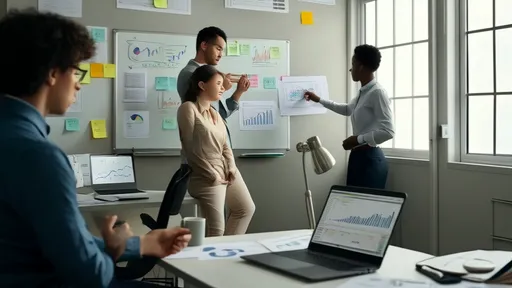
There's something powerful about seeing progress visually. We replaced endless spreadsheets with simple Kanban boards that show exactly where every project stands. Each team member moves their tasks from "To Do" to "Doing" to "Done," creating both accountability and momentum.
Our design team reported feeling more motivated when they could physically see their completed work accumulating in the "Done" column. The trap many fall into is keeping progress hidden in documents or private lists. Making work visible not only improves coordination but also provides that satisfying sense of forward movement that fuels continued effort.
Startups often fall into the perfectionism trap—polishing features endlessly before release, rewriting copy repeatedly, delaying launches for minor improvements. We combat this by celebrating "done" rather than "perfect." Every Friday, we share completed work in our team chat, no matter how small, and acknowledge the progress made.
This simple practice has created momentum we never had when we focused exclusively on what remained unfinished. The psychological shift from "what's still wrong" to "what we've accomplished" has been transformative for team morale and productivity alike.
Beyond the practical benefits, these changes created something deeper: a work environment where people feel effective rather than overwhelmed. The satisfaction of ending each day knowing you moved important work forward—without sacrificing your health or relationships—creates the kind of sustainable productivity that fuels long-term success.
Startup productivity isn't about fancy systems or working harder. It's about implementing these no-brainer tricks that remove friction and create space for meaningful work. Pick one strategy that resonates with your team's biggest pain point and implement it this week. The compound effect of these small changes will surprise you—I'd love to hear which hack transforms your workflow first.

By Olivia Reed/Nov 13, 2025

By Ryan Martin/Nov 13, 2025

By William Miller/Nov 13, 2025

By Emma Thompson/Nov 13, 2025

By James Moore/Nov 13, 2025

By Amanda Phillips/Nov 13, 2025

By Daniel Scott/Nov 13, 2025

By Emily Johnson/Nov 13, 2025

By David Anderson/Nov 13, 2025
By Joshua Howard/Nov 13, 2025
By Natalie Campbell/Nov 13, 2025

By Megan Clark/Nov 13, 2025

By James Moore/Nov 13, 2025

By Sarah Davis/Nov 13, 2025

By Olivia Reed/Nov 13, 2025

By Lily Simpson/Nov 13, 2025

By Christopher Harris/Nov 13, 2025
By Jessica Lee/Nov 13, 2025

By James Moore/Nov 13, 2025

By Sarah Davis/Nov 13, 2025
