You know that feeling when your to-do list seems to stretch into infinity, and every task feels equally urgent? I’ve been there. As an entrepreneur, the line between productive hustle and chaotic burnout is thinner than most people realize. It’s not about squeezing more hours out of the day—it’s about designing a daily rhythm that fuels creativity, sharpens focus, and actually sticks. After years of trial and error, I’ve crafted a routine that’s become my non-negotiable foundation. It’s not rigid or punishing; it’s a flexible vibe that adapts to the entrepreneurial rollercoaster while keeping me grounded and moving forward.
My day starts before the inbox does. The first hour is sacred—no emails, no social media, no external demands. Instead, I focus on three things: movement, mindfulness, and a meaningful intention. A 15-minute stretch or brisk walk wakes up my body, followed by five minutes of deep breathing or journaling. This isn’t fluffy self-care; it’s a strategic reset for the brain. I then set one clear intention for the day. Not a massive goal like “launch the product,” but something actionable like “finalize the Q3 budget draft” or “have that tough conversation with a team member.” This clarity prevents decision fatigue later and channels my energy where it matters most.
Entrepreneurship means juggling a dozen roles at once, but context-switching is a silent productivity killer. I batch similar tasks into focused blocks. For example, I reserve mornings for creative work—strategizing, writing, or designing—when my mind is freshest. Afternoons are for meetings, admin, and emails. I use tools like Trello to visualize my batches and the Pomodoro Technique (25 minutes of focused work, 5-minute breaks) to maintain intensity. One client I coached struggled with constant interruptions until she started time-blocking her calendar. Within two weeks, she reclaimed 10 hours per week—time she invested in business development instead of putting out fires.
It sounds counterintuitive, but stepping away from work is what makes my work better. I schedule short breaks every 90 minutes to recharge. These aren’t scroll-through-Instagram moments; I step outside, hydrate, or do a quick mobility exercise. One of my biggest breakthroughs came when I started treating breaks as non-negotiable appointments. Previously, I’d power through until exhaustion, only to produce mediocre results. Now, those five-minute pauses keep my creativity flowing and prevent afternoon slumps. It’s a small habit with massive returns.
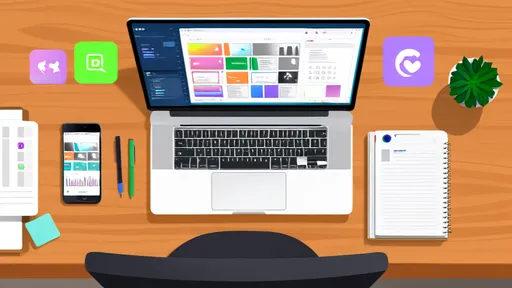
There’s no shortage of productivity apps, but more tools don’t always mean more efficiency. I stick to a minimalist tech stack: Notion for project management, Slack for team communication, and Google Calendar for scheduling. The key is integration—these tools talk to each other, so I’m not wasting time manually updating multiple platforms. A common mistake I see is entrepreneurs hopping on every new app trend, which adds complexity instead of reducing it. Simplify first, then automate. For instance, I use Zapier to auto-save email attachments to Dropbox, saving me precious minutes each day.
As a business owner, it’s easy to fall into the “always on” trap. But perpetual availability drains energy and dilutes focus. I’ve set clear boundaries: no work chats after 7 PM, and I protect my deep work blocks from unnecessary meetings. I communicate these boundaries proactively with my team and clients, framing them as a way to ensure I deliver my best work. At first, I worried this would seem uncommitted, but the opposite happened—people respect the structure, and my output quality soared. It’s about working smarter, not longer.
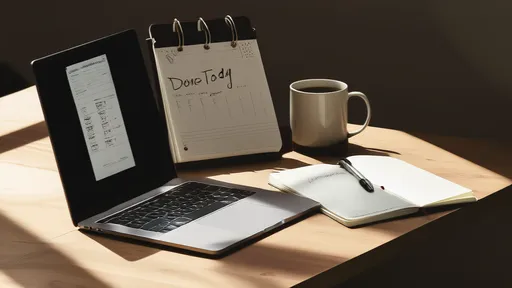
How you end the day sets the tone for the next one. I have a 30-minute shutdown ritual: reviewing what I accomplished, noting what I’ll tackle tomorrow, and mentally disconnecting from work. This might include reading a book, listening to music, or spending quality time with family. It’s my way of signaling to my brain that work is done, which improves sleep quality and reduces middle-of-the-night anxiety about unfinished tasks. I used to check emails right up until bedtime, and my sleep suffered. Now, that boundary has become a game-changer for my overall well-being.
Productivity isn’t just about systems; it’s deeply tied to mindset. Entrepreneurship is unpredictable—some days, despite your best efforts, things go sideways. On those days, I practice self-compassion instead of self-criticism. I remind myself that consistency over time matters more than perfection on any given day. This mental shift reduces burnout and keeps me resilient. I also celebrate small wins, like finishing a challenging task or sticking to my batch schedule. These moments of acknowledgment fuel motivation and make the routine feel sustainable, not restrictive.
Building a daily vibe that sticks isn’t about copying someone else’s routine—it’s about designing one that aligns with your energy, priorities, and business needs. Start with one small change, whether it’s a morning intention or a tech tool cleanup. Consistency compounds, and soon, these habits will feel like second nature. Your future self will thank you for the clarity, focus, and balance you cultivate today.

By Olivia Reed/Nov 13, 2025

By Ryan Martin/Nov 13, 2025

By William Miller/Nov 13, 2025

By Emma Thompson/Nov 13, 2025

By James Moore/Nov 13, 2025

By Amanda Phillips/Nov 13, 2025

By Daniel Scott/Nov 13, 2025

By Emily Johnson/Nov 13, 2025

By David Anderson/Nov 13, 2025

By Joshua Howard/Nov 13, 2025
By Natalie Campbell/Nov 13, 2025

By Megan Clark/Nov 13, 2025

By James Moore/Nov 13, 2025

By Sarah Davis/Nov 13, 2025

By Olivia Reed/Nov 13, 2025

By Lily Simpson/Nov 13, 2025

By Christopher Harris/Nov 13, 2025

By Jessica Lee/Nov 13, 2025

By James Moore/Nov 13, 2025
By Sarah Davis/Nov 13, 2025
